
Women Built This Lane. The Industry Is Finally Catching Up.
Women have been in off-roading the whole time. The recent growth isn't women being invited in — it's women building parallel infrastructure that the industry finally can't ignore. Here's what changed, who built it, and what the industry got wrong.
Updated October 18, 2026
On this page
Walk a trailhead at Easter Jeep Safari in 2015 and you'd see roughly the demographic the marketing told you to expect: mostly guys, mostly trucks driven by guys, with women along as passengers or photographers or not at all. Walk that same trailhead now and the difference isn't subtle. There are women on their own builds, leading their own runs, with their own group chats and event circuits and product preferences. The vendors have noticed. The brands have noticed. Some have figured out how to engage. A lot are still fumbling it.
The lazy version of this story is "more women are getting into off-roading." That's true, and it's also surface-level. The real story is that women have been in off-roading the entire time, and the recent growth isn't women being invited in. It's women building parallel infrastructure because the existing one didn't make room for them, and that parallel infrastructure has gotten too big to ignore.
What actually changed
A few things converged. The Rebelle Rally launched in 2016. It's a long-distance, women-only navigation rally that runs from Nevada to the Mexican border, no GPS, just maps and compasses and a stock-class production rig. It's not a publicity event. It's a real eight-day competition with real terrain and real consequences, and it created the first high-visibility platform that pitched off-road competence at women as the actual point of the story rather than the angle. Emily Miller built it because the rally circuit didn't have a place for the drivers she was working with. Ten years later, you can chart the industry's response on the entry list.
Around the same time, side-by-sides went mainstream as a category, and the buyer mix shifted faster than it did in the truck and Jeep world. Polaris dealers will tell you the percentage of side-by-sides bought by women as primary owners (not as the "for the wife" trim) has climbed dramatically over the last decade [VERIFY: cite Polaris or SVIA figures if available]. Side-by-sides removed two things that gatekept the hobby on the truck side: the perception that you had to be a fabricator to participate, and the assumption that the family vehicle had to be a wife-friendly compromise of a husband-built rig.
Overlanding pulled in a different cohort. The overlanding scene has been notably more woman-driven than the rock crawling scene from the jump, partly because the entry barrier is camping competence as much as driving competence, partly because the demographic of new overlanders skews younger and more couples-as-partners than the wheeling crowd, and partly because vehicles like the 4Runner and the Tacoma have always been bought roughly evenly by men and women. Walk an overland expo now and the floor mix is closer to even than any other off-road event I've been to.
And then there's the dirt bike side, which is the slowest to shift and where the change is most visible at the entry level. Women's-specific gear lines exist now. Fly Racing, Fox, Alpinestars, Thor all have full women's pant and jersey runs that fit instead of being unisex large-mediums. That sounds like a small thing until you've watched a 5'4" rider try to ride in a men's small that bunches at the knees and doesn't sit right at the boot top. Gear that fits is the foundation. You can't progress as a rider in gear that's actively fighting you.
The youth and amateur ranks at WMX and the women's classes at GNCC have grown faster than the men's brackets [VERIFY: AMA or GNCC official growth figures]. The pro side is still small. The base of the pyramid is widening. The OEMs have started to notice on the marketing side, but the development side is slower. Frame sizing, suspension valving, and reach geometry on most bikes still defaults to a 175-pound male rider. The brand that actually engineers for a wider range of rider sizes is going to take real share, and the brand that doesn't is going to keep watching new riders bounce off the hobby in year two.
The infrastructure women built
The most interesting thing about this growth is that very little of it was sponsored by the industry. The clubs, the runs, the meetups, the mentorship. Most of it got built by the women involved, often through Facebook groups and Instagram DMs and word of mouth.
Real Women of Wheeling, founded as a community space for women in the wheeling scene, became a national network with chapters across the country. Local groups exist in basically every off-road region. The Pacific Northwest has multiple, the Southwest has multiple, the Southeast has a handful, and the Midwest has a growing list. Black Girls Off-Road, founded by Sherrá Lawrence, became a visible presence at events and a real organizing force for Black women in the hobby. Cuatro x Cuatro Adventures and other Latina-led groups have done the same in their communities.
None of these existed because a manufacturer ran a focus group. They existed because women in the hobby wanted runs where they didn't have to navigate the assumption that they were the spotter. The growth of those groups is what made the industry finally start paying attention.
A side note worth making: women-owned shops and product companies have been quietly taking market share in specific categories for years. Recovery gear, overland kitchens, custom interior storage, riding apparel — there's a real cohort of small businesses founded by women in the hobby who saw a product gap and built the answer because nobody else was going to. A few of them are now the default recommendation in their category. None of them got there with VC money or a marketing department. They got there by making good gear and selling it through the same Facebook groups and event circuits that built the broader community.
It's also worth saying that the mentorship culture inside these networks is real, and it's something the broader off-road community could learn from. Watch a women's-led trail run and you'll notice the pacing is different. There's more deliberate skill-sharing. Newer drivers don't get yelled at off the line. Spotters narrate what they're looking at instead of just gesturing. Tire pressure conversations happen out loud at the trailhead instead of being something you're expected to already know. Some of that's group composition, some of it's the lack of ego that comes with not having to prove anything to anyone, and some of it's just better trail-leading. Whatever the mix, it works. The retention rate for new drivers coming up through these groups is noticeably higher than for new drivers who get dropped into a mixed run with no scaffolding.
Where the industry got it right
A few brands deserve real credit. Bilstein and ARB have run women-specific clinics and tech days that weren't condescending. Tread Lightly's stewardship programs have been notably balanced from the start. Some of the smaller specialty brands, particularly in the overlanding gear space, have been built by women, sold to women, and run by women, and they don't make a marketing point of it because they don't have to.
The Rebelle Rally itself has done more for industry credibility on this than any campaign. Manufacturers compete for the production-class trophy because finishing means the platform held up under conditions you can't simulate, and the optics of having women hand you that trophy are very different from yet another desert ad with a guy in dust.
Where the industry got it wrong
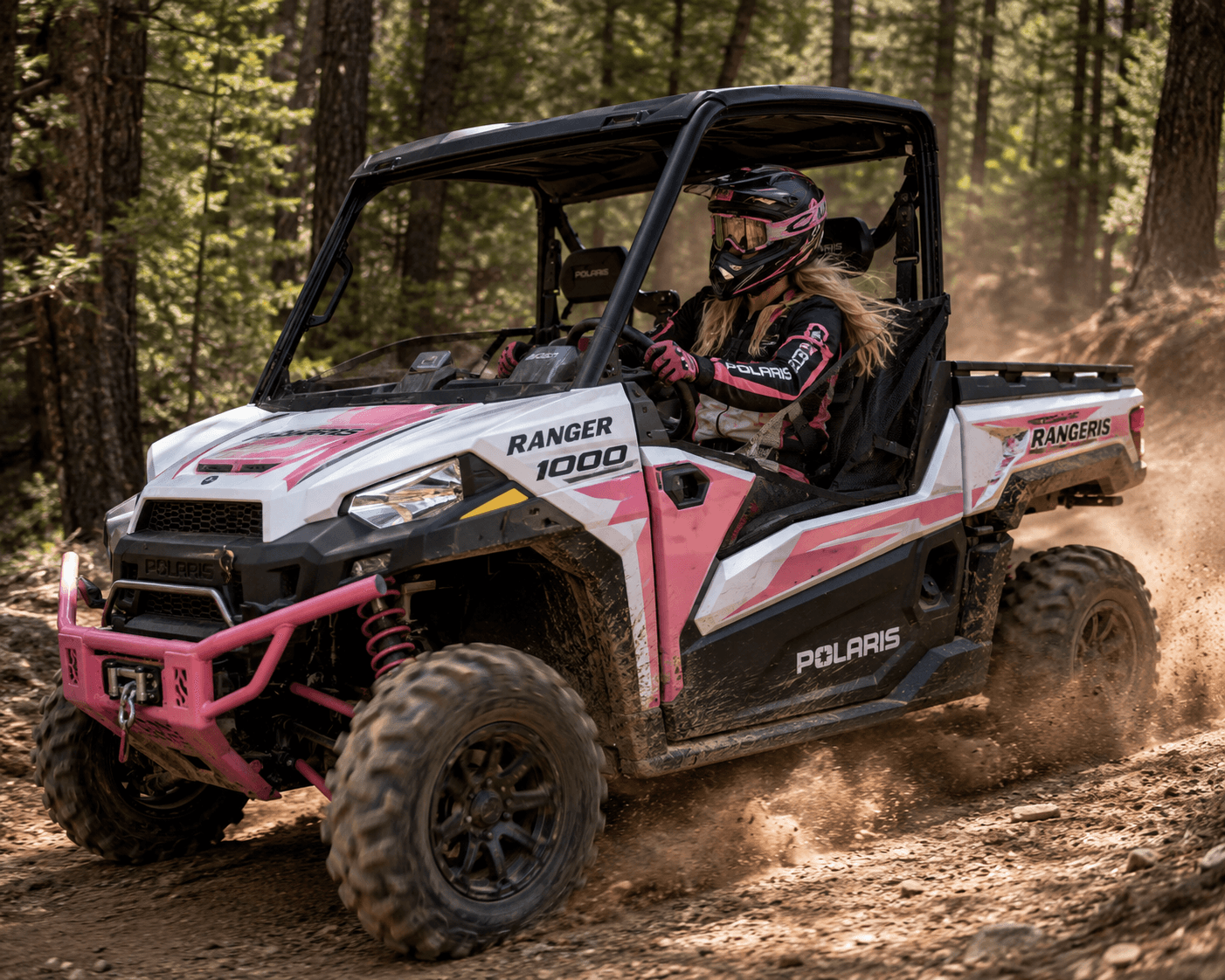
The lower-effort response is the one you've all seen. Pink decals. "For her" trim packages. Marketing copy that treats off-roading as a self-discovery journey instead of a skill set. Photoshoots where the woman is sitting on the hood with a coffee thermos instead of behind the wheel. The community sees through it instantly. It reads as a focus group's idea of what women want, not as anything anyone actually wants.
The other failure mode is the "we're inclusive now" press release that doesn't change a single thing about how the brand actually operates. A women-led ad campaign attached to a company whose engineering team, dealer network, and event roster are 95% men is going to land badly. The community is small enough that the women in it know which brands are doing the work and which are doing the post.
The third failure is more subtle. A lot of the well-meaning industry response has been to highlight individual women ("look at this incredible builder") without building structural support for the broader pipeline. One photogenic profile a year doesn't make a sport more accessible. Clinics, mentorship, women-led service techs at dealerships, scholarships for the off-road trade programs. That does. Most of the brands talking about diversity are doing the first thing, not the second.
What it means going forward
If you're a brand: stop treating women as a market segment and start treating them as customers, with all the boring infrastructure that implies. The brands that win this decade are going to be the ones whose service writers, sales floor, and engineering teams reflect the buyer mix, not the ones with the prettiest campaign reels.
If you're a wheeler: the trails you're running probably already include more women than they did five years ago, and the runs that don't are noticeably worse for it. Mixed-experience runs lead to better runs: more spotting, more patience, more skill sharing. The "women in off-roading" thing isn't a marketing trend that's going to fade. It's the demographic catching up to the people who've been there the whole time.
If you're a dealer or a shop: the easiest tell that you've actually figured this out is who's behind the parts counter and on the service write-up. A first-time buyer walking into a shop and seeing exclusively men behind every desk gets a different read than walking into a shop where a woman is wrenching on the demo rig in the bay. You don't have to make a big deal out of it. You just have to do it. The customers will notice. The hiring is harder than the marketing, which is why most brands skip it and run the campaign instead.
If you're a woman in this hobby reading this and you're newer to it: the network exists. Find your local Real Women of Wheeling chapter, find your local overlanding meetup, sign up for a clinic. The community will close around you faster than you think.
And if you're the spouse, partner, or buddy of someone who's been "the wife along for the ride" for a decade and is starting to ask what it would take to drive. Buy her the wheeling clinic. Stop spotting and start coaching. Hand her the line.
The growth in women in off-roading isn't really news anymore. It's the present tense. The interesting question isn't whether it's happening. It's which brands and which clubs and which trails are going to be honest about catching up, and which ones are going to keep running the same playbook from 2010 and wondering why their event entry lists are dropping.
Keep Reading
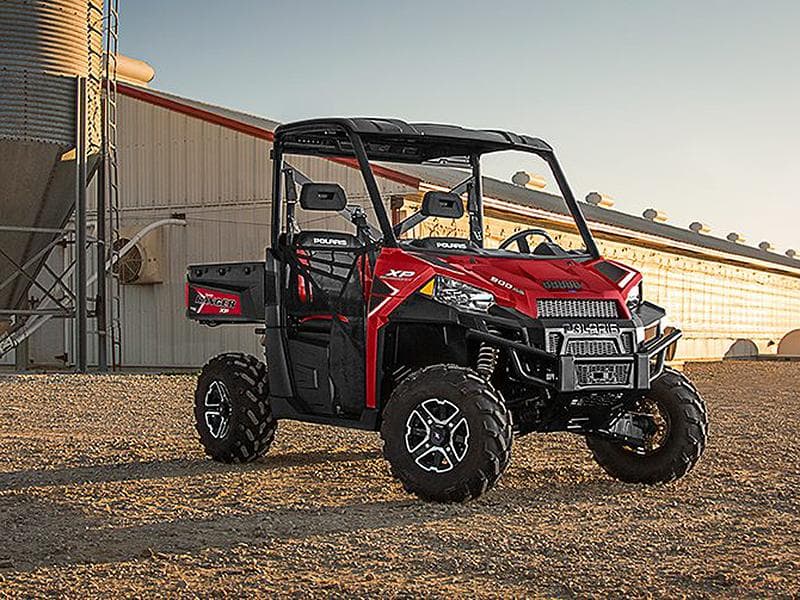
How to Buy a Used Side-by-Side Without Getting Burned
A practical, no-nonsense checklist for buying a used UTV — what to inspect, what to test-drive, and the red flags that should make you walk away.
ATV vs UTV: Which Off-Road Vehicle Should You Buy?
ATVs and UTVs both get you off the pavement, but they're built for different riders. Here's how to figure out which one actually fits your life.
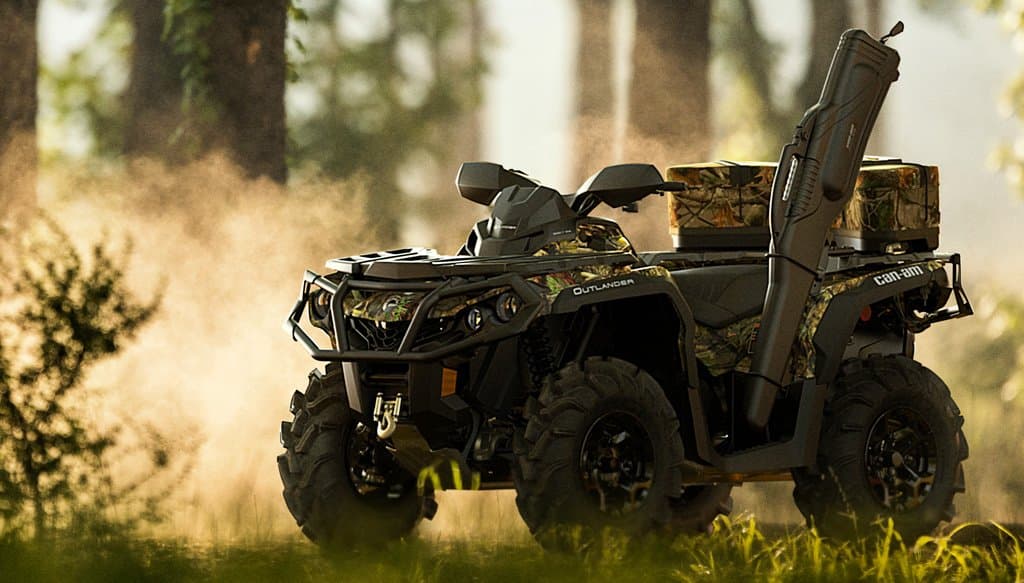
Best Off-Road Vehicles for Hunting, Farm Work, and Trail Riding
The best off-road vehicle depends entirely on the job. Here's what to look for if you hunt, work a property, or live for the trails.
Get off-road tips in your inbox
Buying guides, maintenance how-tos, and new listings — no spam, unsubscribe anytime.